When it comes to creating a home, aesthetics often take center stage. We pore over Pinterest boards and Instagram photos, flip through glossy magazines and meticulously choose paint colors, furniture, art and decor to create a picture-perfect space. And while visual appeal is important, a truly great home goes beyond aesthetics. It should also evoke a sense of comfort, belonging and well-being.
Because of this, today I’m going to talk to you about The Psychology of Design and Why Your Home Should Feel as Good as It Looks.
THE EMOTIONAL IMPACT OF YOUR ENVIRONMENT
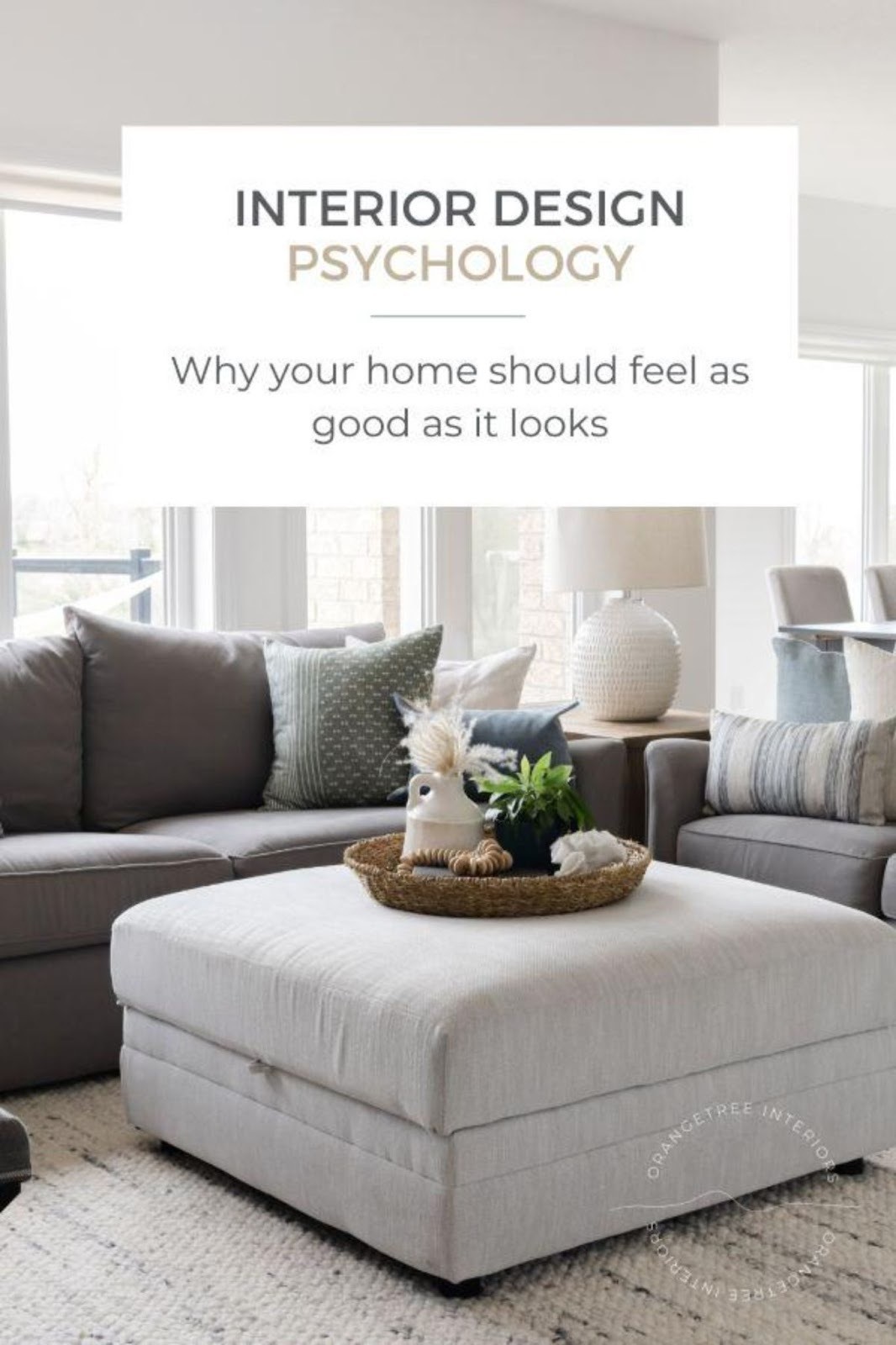
Our surroundings have a profound effect on our emotions, behaviors and overall mental health. Research shows that thoughtfully designed spaces can reduce stress, enhance creativity and improve mood. Conversely, cluttered or poorly designed environments can lead to feelings of anxiety and overwhelm.
Consider how you feel when you walk into a bright, airy room versus a dim, cluttered one. The former likely feels uplifting and energizing, while the latter might feel draining or chaotic. This emotional response is not accidental; it’s the result of deliberate design choices that influence how we experience a space.
KEY ELEMENTS OF FEEL-GOOD DESIGN
To create a home that feels as good as it looks, focus on these essential design principles:
1. Light and Color
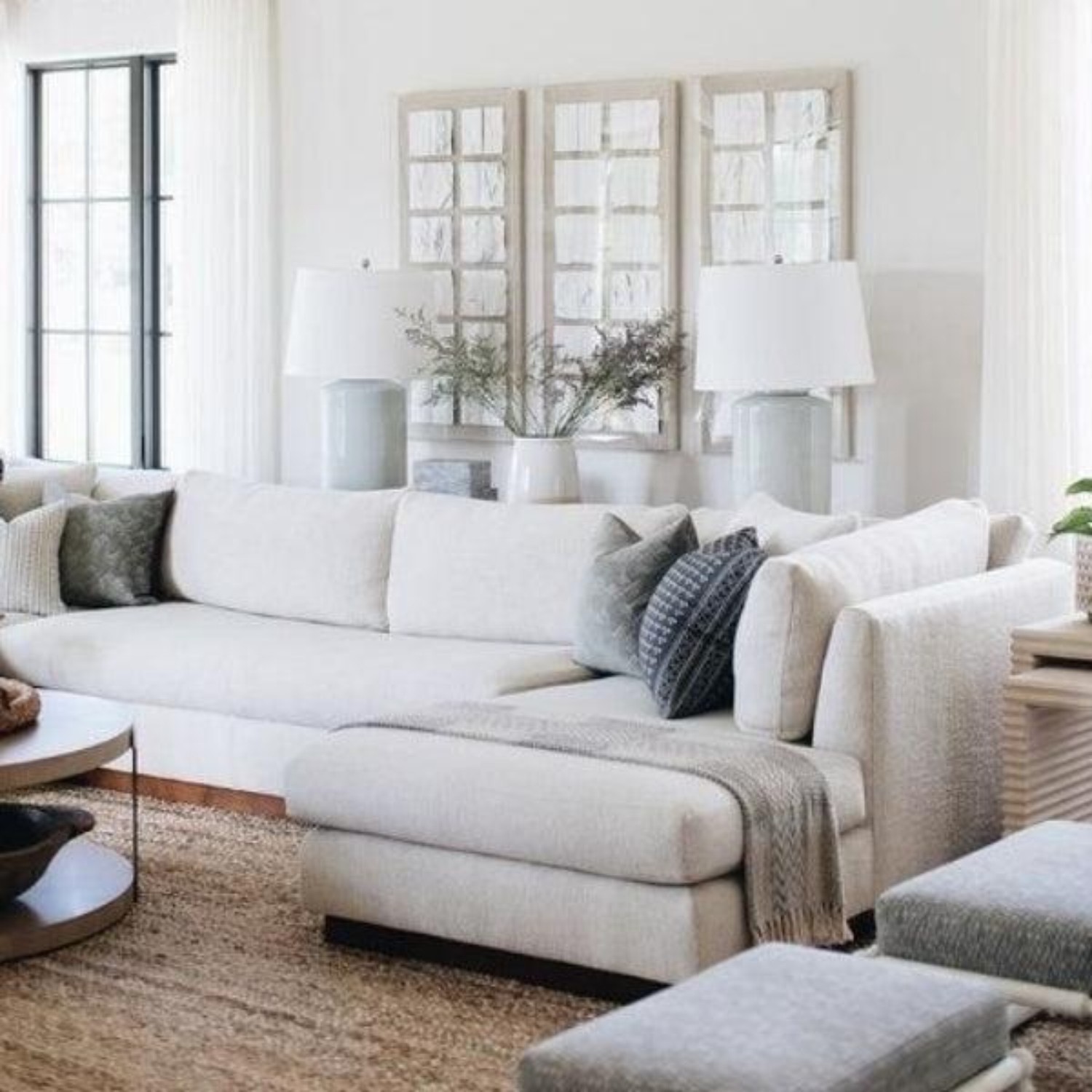
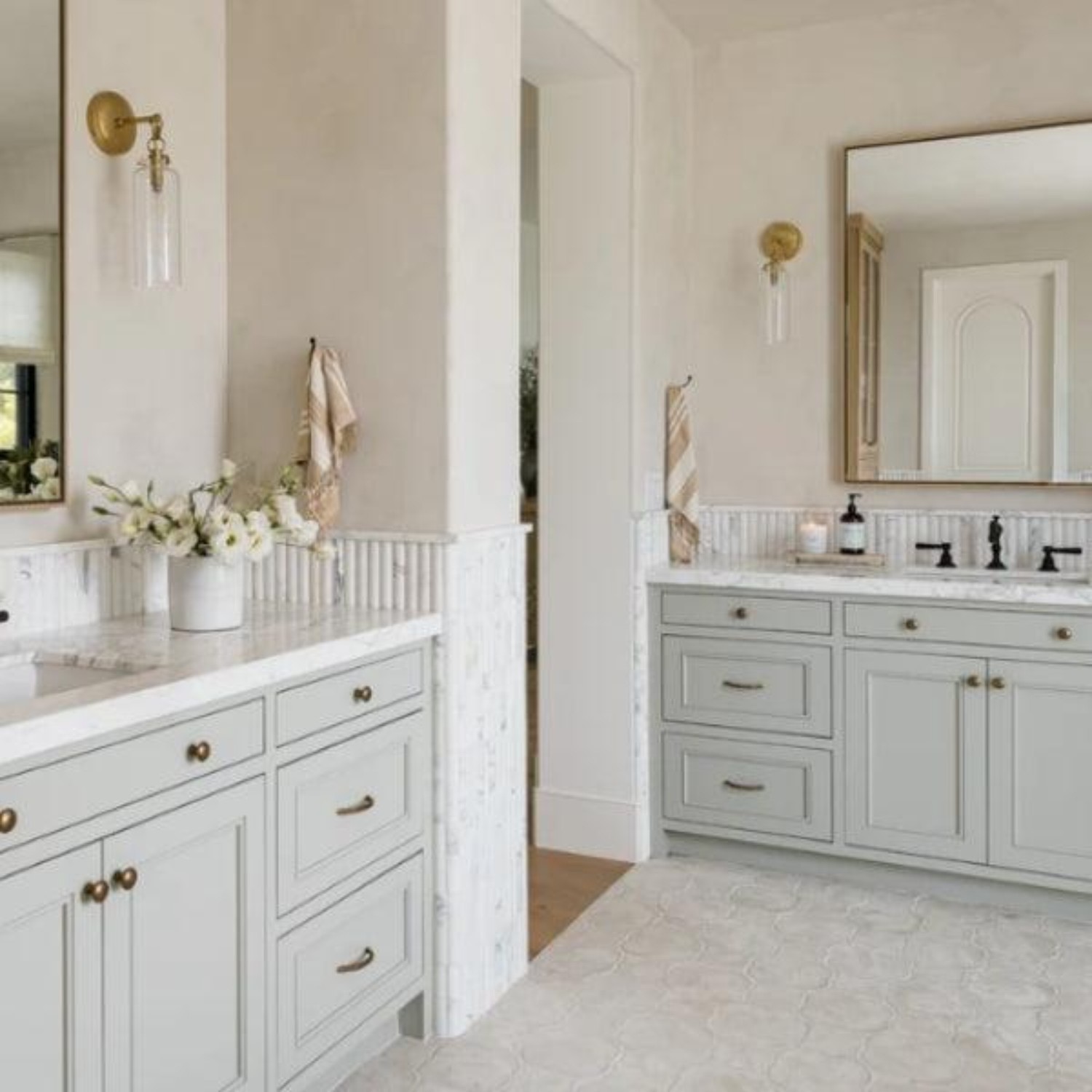
Natural light and well-chosen colors have a powerful impact on mood. Soft, neutral tones can create a calming atmosphere, while pops of vibrant color can energize and inspire.
2. Texture and Comfort
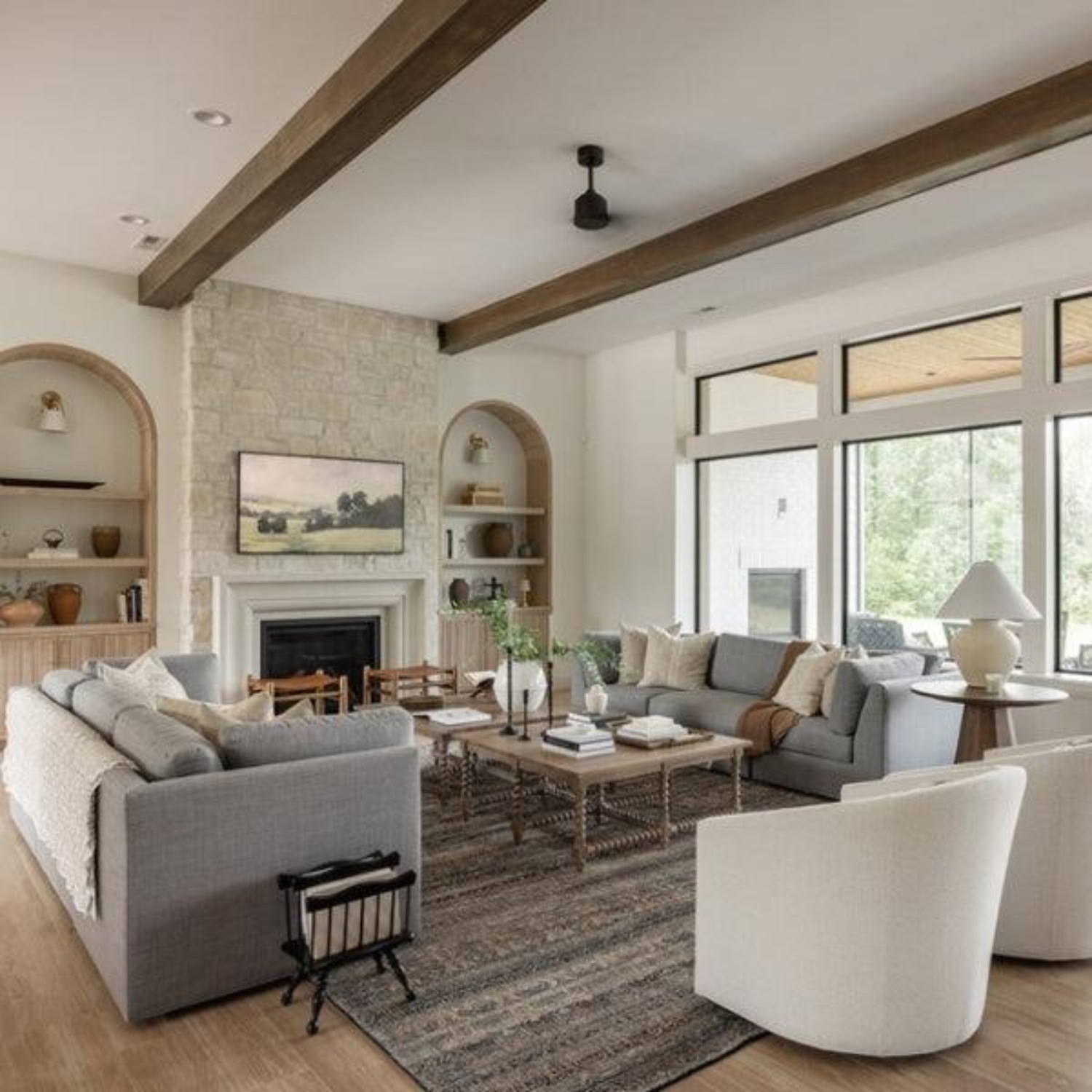
Incorporating a variety of textures like plush rugs, smooth wood and soft textiles adds depth and interest while providing comfort within a space.
3. Functionality and Flow
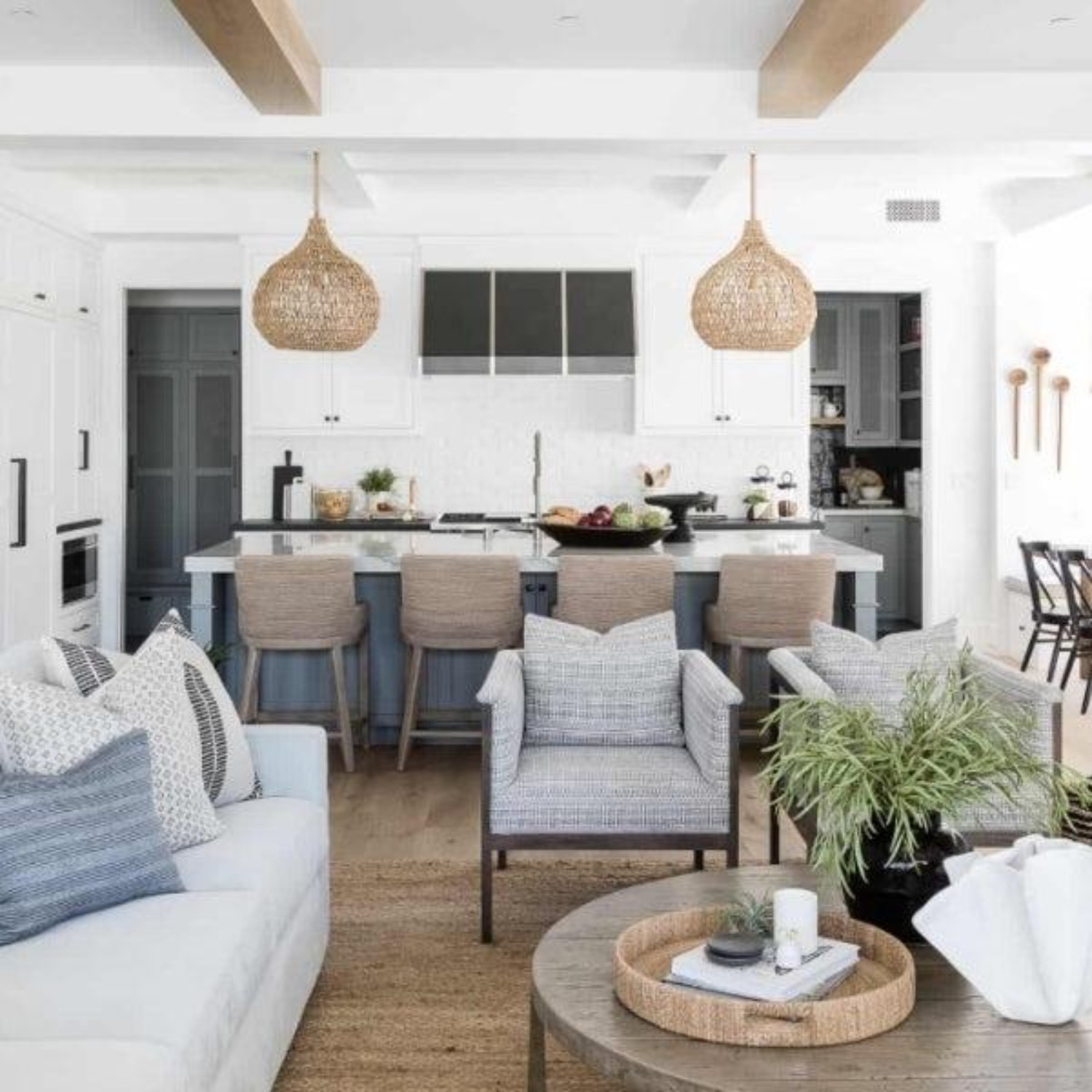
A home that feels good is also functional. Consider the flow of your space and ensure that furniture placement supports how you live. For example, an open layout might encourage family interaction, while designated quiet zones can provide spaces for relaxation or focus.
4. Personalization
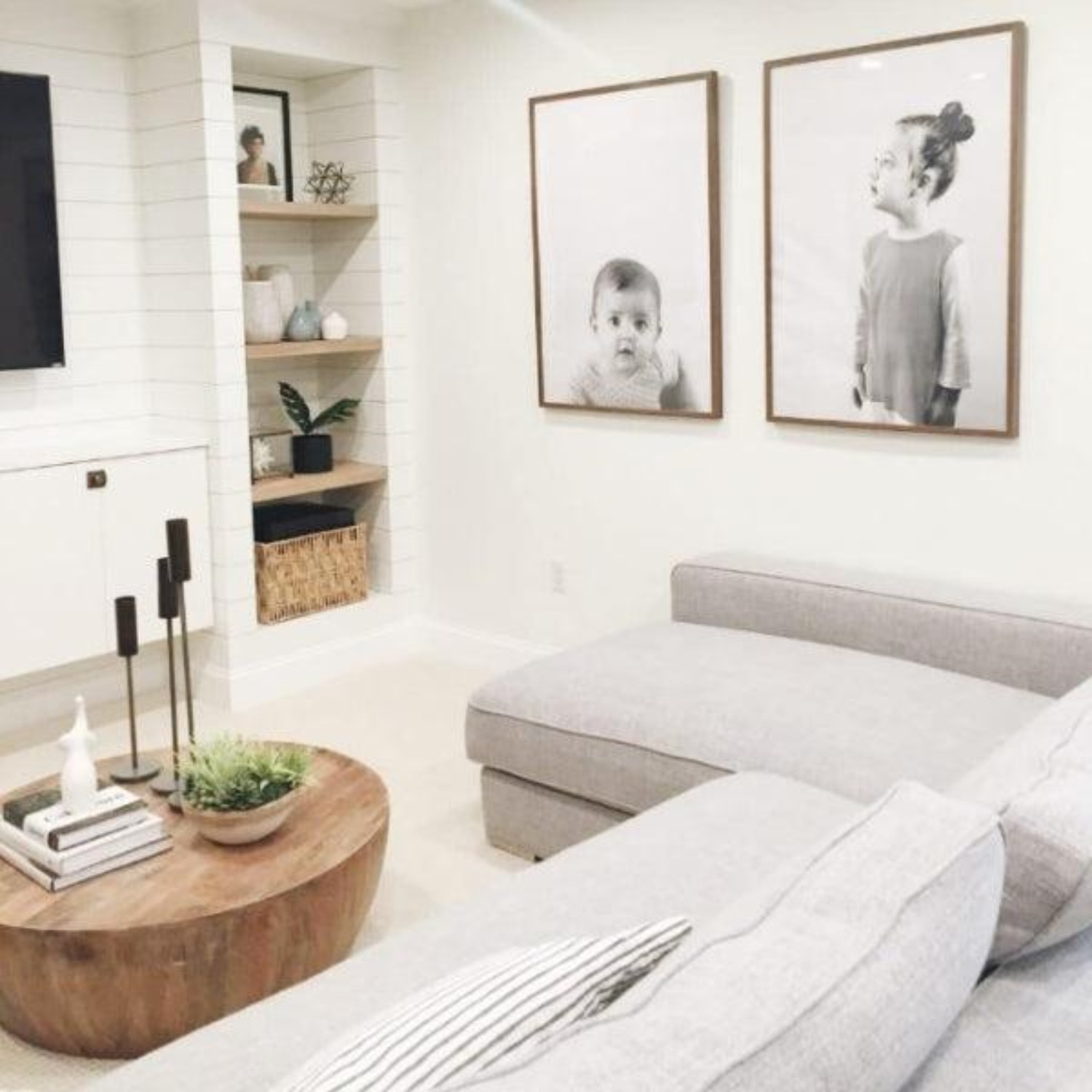
Adding personal touches like family photos, meaningful artwork or cherished mementos can foster a sense of connection and belonging. Your home should tell your story and be a reflection of who you are.
5. Decluttering and Organization
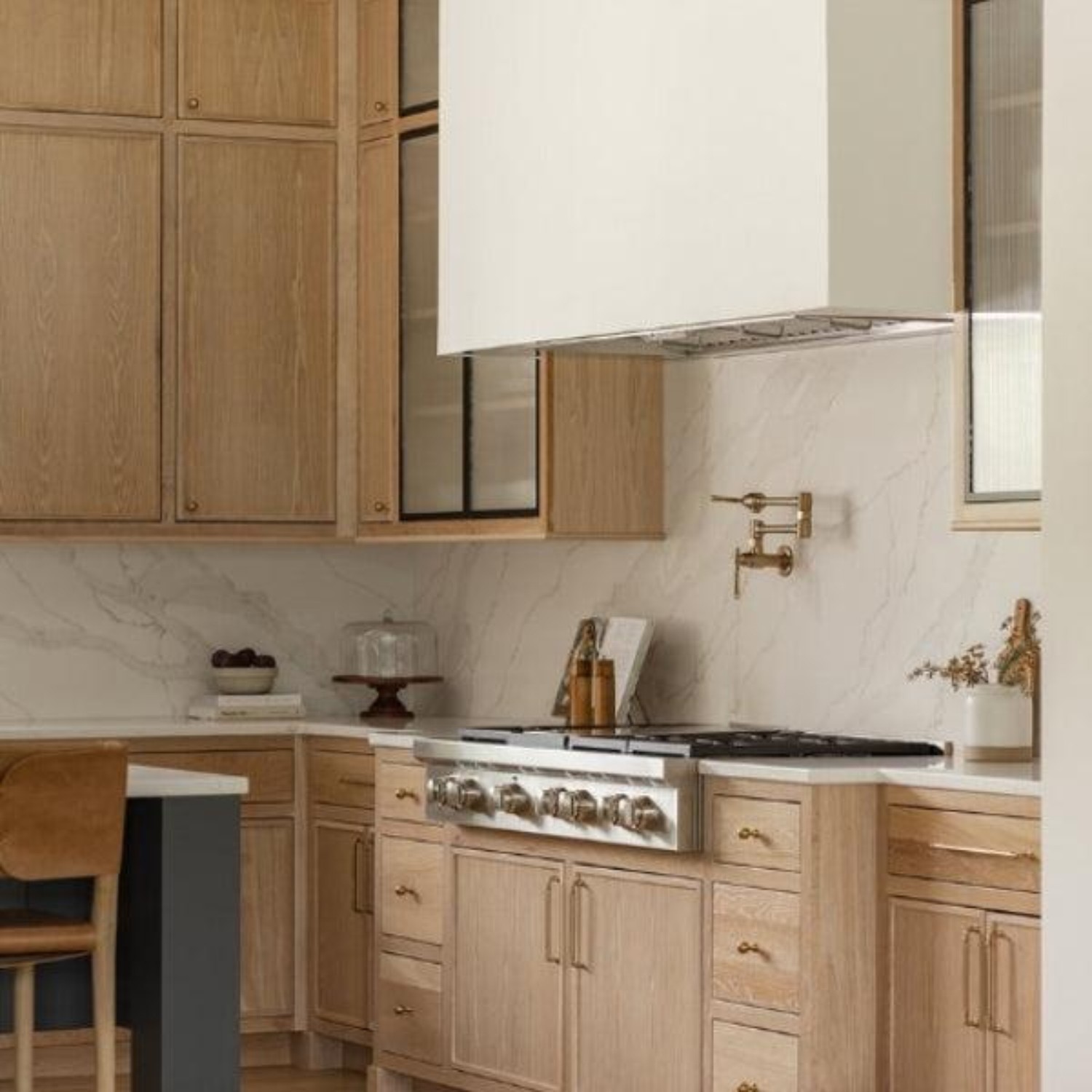
A clutter-free environment promotes mental clarity and reduces stress. Invest in smart storage solutions to keep your space tidy and functional.
DESIGNING FOR MENTAL WELLNESS
Beyond aesthetics, a home should be designed to actively support your mental well-being. For example:
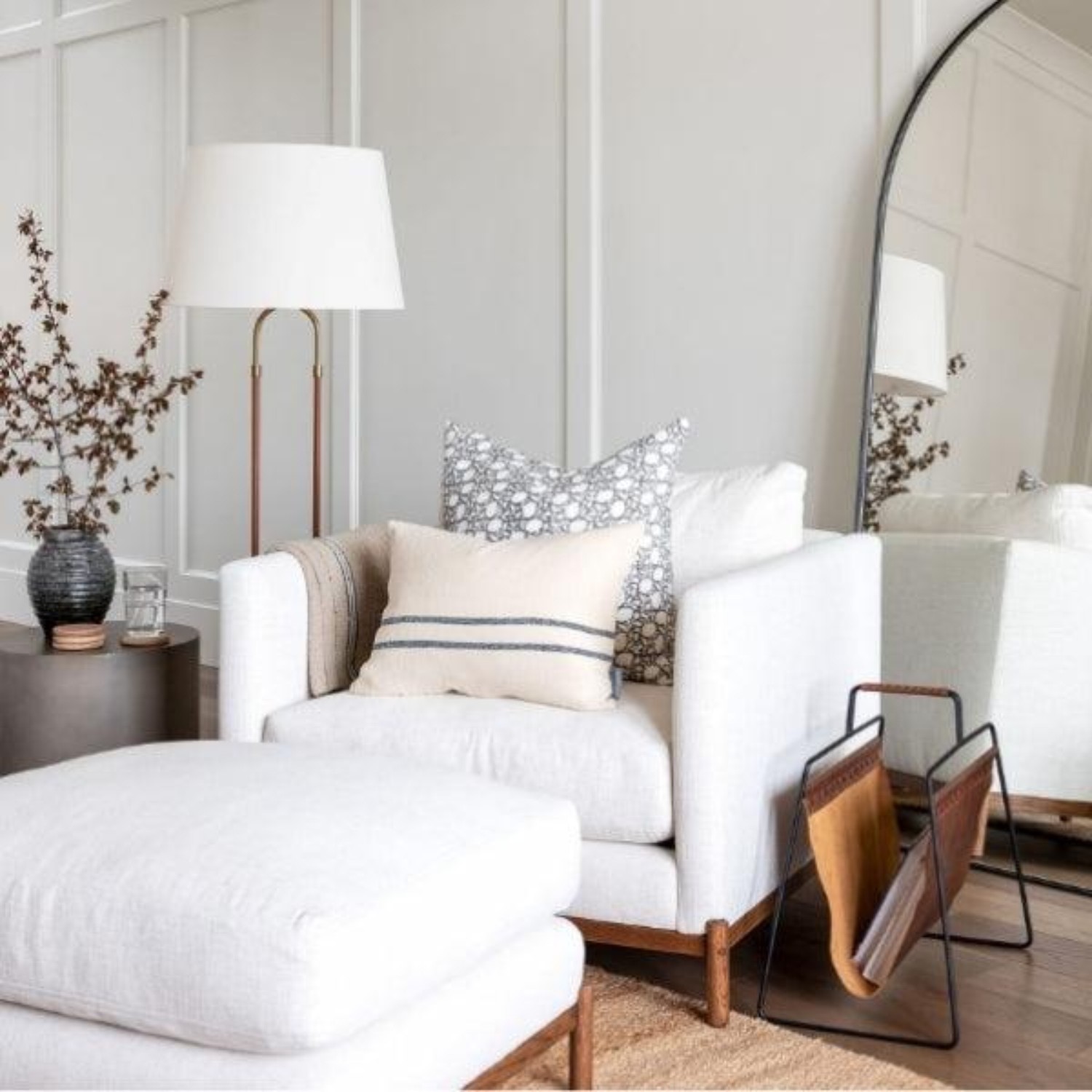
1. Create Zones for Relaxation: Designate a corner for meditation, reading or simply unwinding after a long day. Include comfortable seating, soft lighting and soothing art and decor.
2. Incorporate Biophilic Design: Bring the outdoors in with plants, natural materials and earthy tones. Studies show that connecting with nature, even indoors, can lower stress and improve focus.
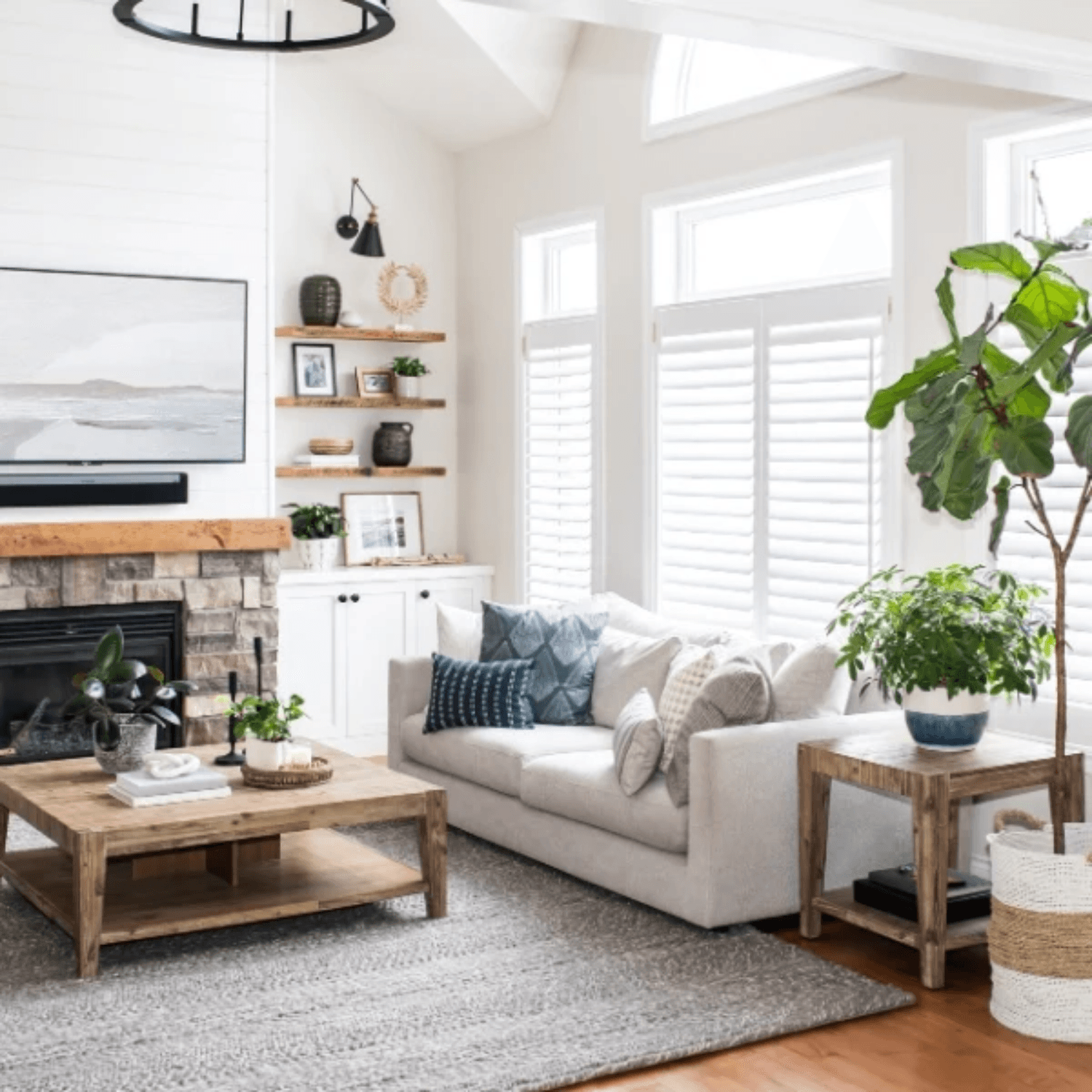
3. Prioritize Comfort: Opt for furniture that is not only stylish but also comfortable and supportive. Ergonomic seating and high-quality mattresses can make a significant difference in how you feel. Also consider choosing furniture with stain-resistant fabrics to eliminate worry about potential damage.
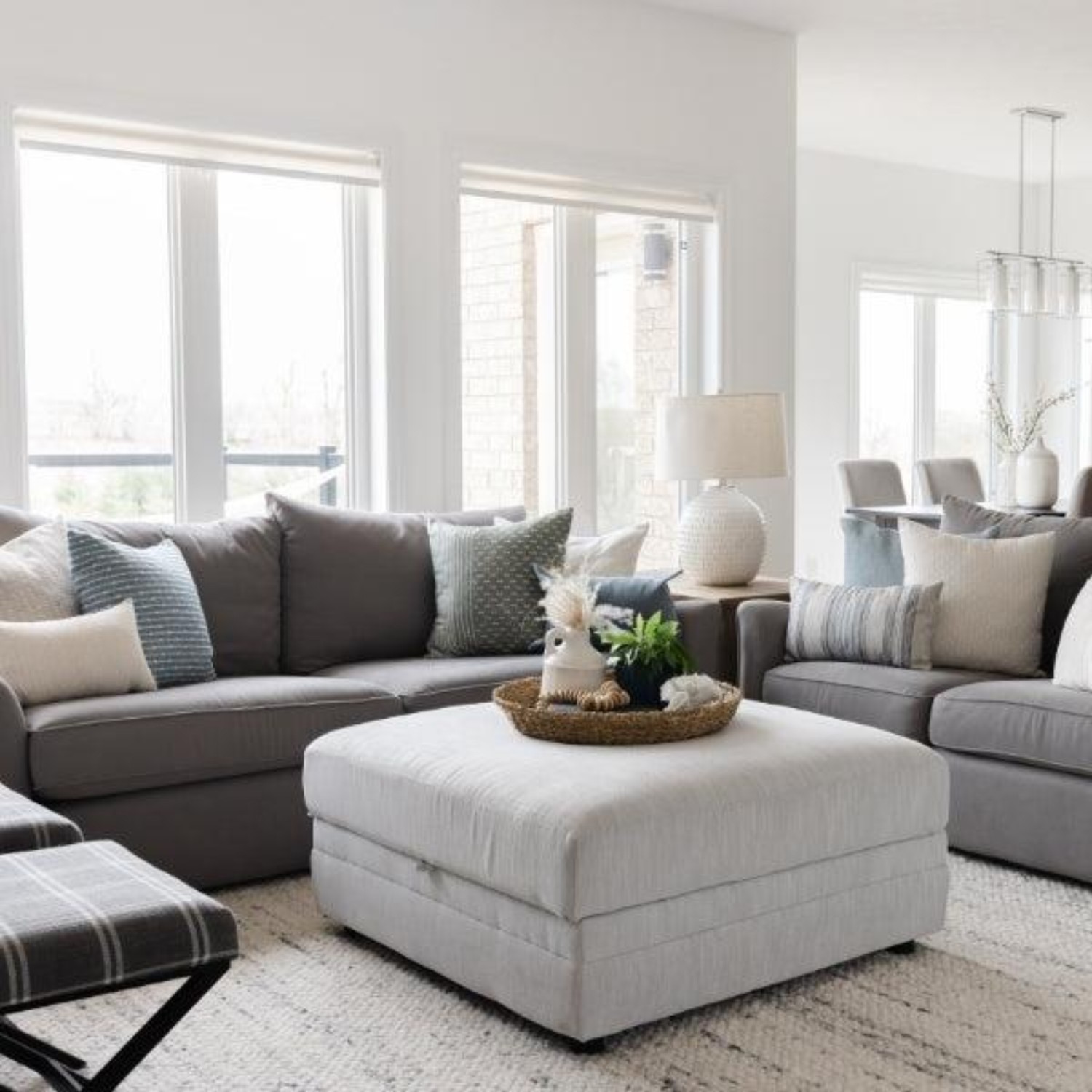
BALANCE BEAUTY & COMFORT
The best-designed homes strike a balance between beauty and comfort. While it’s tempting to prioritize aesthetics, remember that a home’s primary purpose is to serve as a haven of comfort for you to relax, recharge and to truly feel at ease to be yourself.
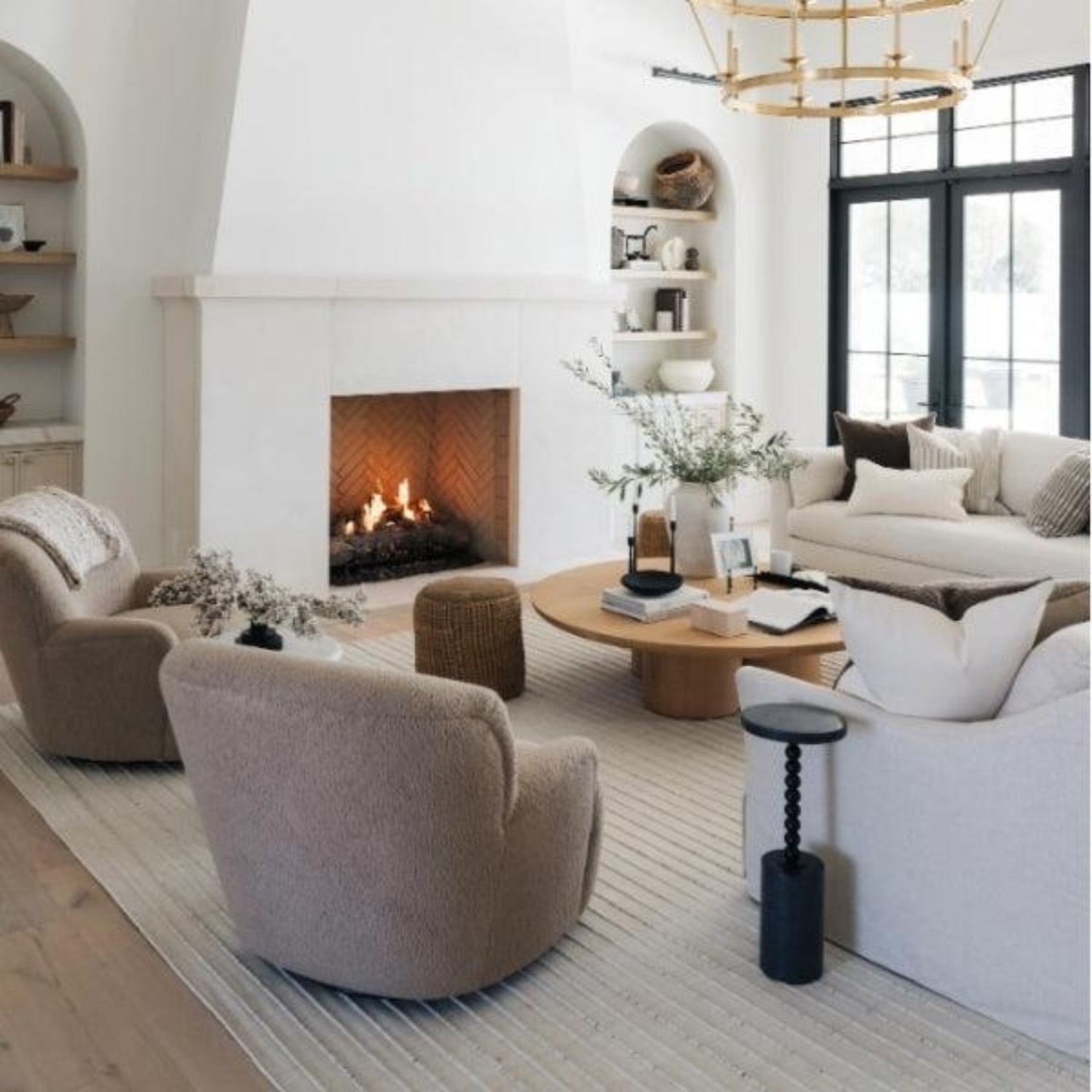
So when designing your space, ask yourself - Does this feel good to me? Does it support my lifestyle and well-being?
By focusing on how your home makes you feel, you’ll create a space that’s not only visually stunning but also deeply nurturing. The psychology of design reminds us that a home is more than just a collection of beautiful things. It’s a reflection of our values, a source of comfort and a foundation for our well-being. By designing with intention and prioritizing how a space feels, you can create a home that truly enhances your life inside and out.
Let's talk about your project. No pressure, no obligation, just a friendly conversation about your vision and how we can help bring it to life.