Hey everyone! I hope you’re all enjoying a fabulous summer so far. We’ve been having AHH-MAAAZING weather in my neck of the woods. Since it's summer, I’m keeping my blog posts light. Everyone's in vacation mode (including me) and I’m sure an in-depth article would be better received when we all have some more routine back in our lives.
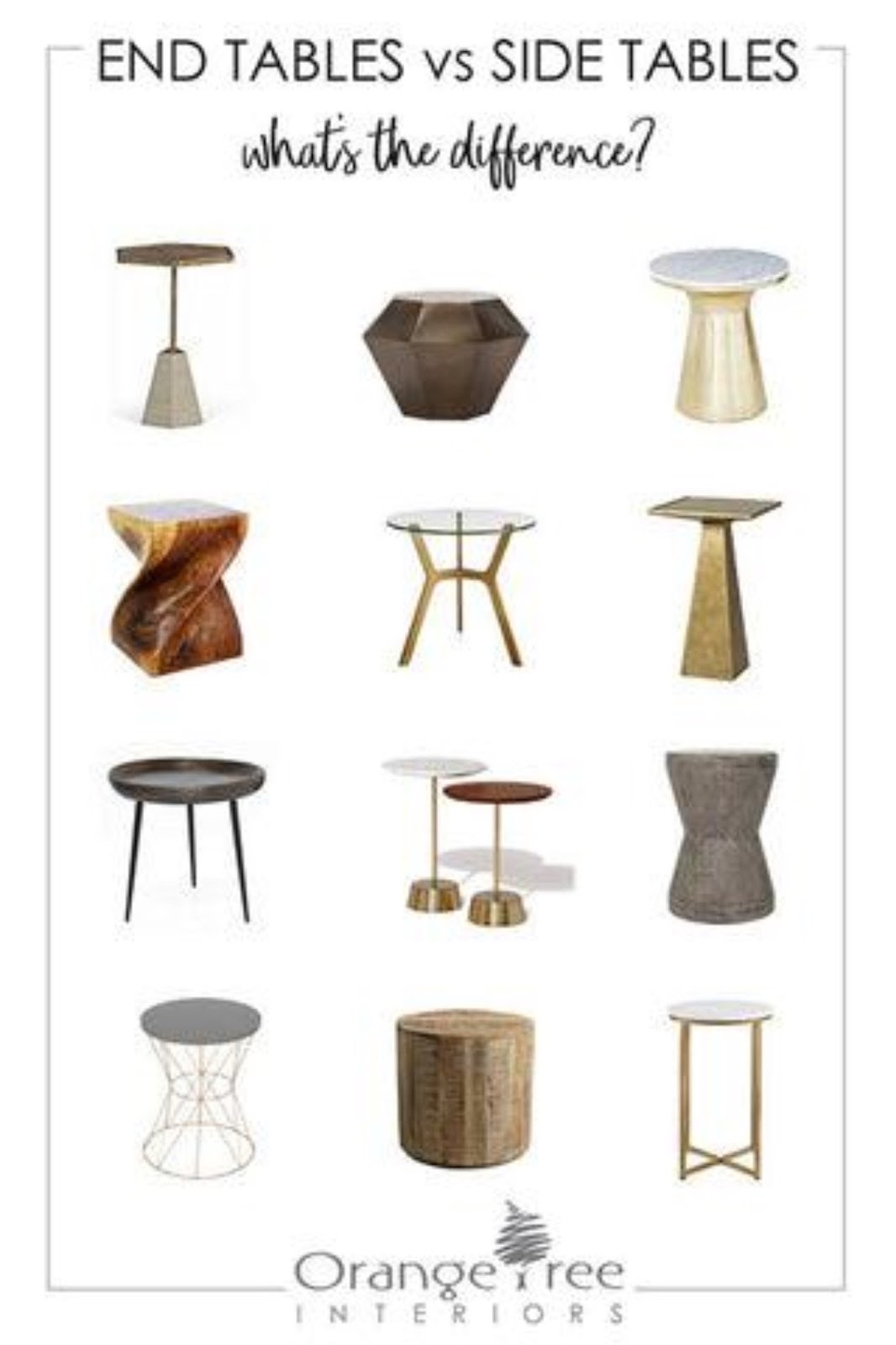
[pin this graphic for reference & scroll down for info & to view sources]
As some of you know, I've developed a DIY Interior Design Course for people that want to design their homes themselves, but just need a little extra guidance from a professional (that’s where I come in:) to get everything "just right." Check it out here.
Anyway, I’ve been working with some clients who are trying out a beta version of the course to help me determine what’s working well and what needs to be expanded upon before I release it to the public. While working with these design-savvy DIYers, I've had a lot of conversation about side tables and end tables – mostly because there are so many options to choose from that it makes it hard to decide. However, it did also spark a topic for me to cover in the course. My clients and I have mostly been talking about the style of the tables so far, but I’m sure some of you out there don’t know the difference between a side table and end table and what to keep in mind when shopping for one so I thought I’d iron that out for ya right now. Here goes…
END TABLES
An end table is a table that is placed at the…..wait for it…..the "end" of a piece of furniture. Yes, it really IS that simple. For example, you might place an end table at the end of your sofa between it and a wall. End tables are typically smaller than side tables (approx.12" - 18" diameter/square) and can often fit into tight spaces. Here are a few examples of end tables that pack a lot of style and would work in many modern contemporary or transitional spaces.
- click each image to view its source -
 |  |
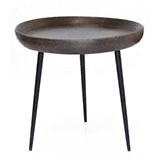 |
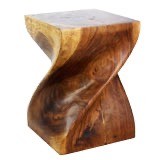 |
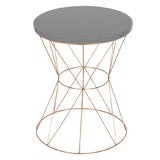 |
SIDE TABLES
Side tables, on the other hand, are tables that are…..you guessed it…..placed beside another piece of furniture (most commonly a chair or sofa). They can be up against a wall or out in the open. One notable difference is that side tables typically have a larger surface area (approx. 18" to 26" diameter/square) than end tables and tend to have a stronger element of style. They are usually more visible in a space and enhance the overall design of a room. Here are a few side tables that really stand out to me because of their distinct style.
- click each image to view its source -
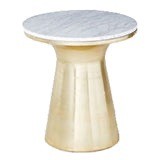 | 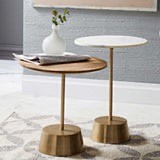 |
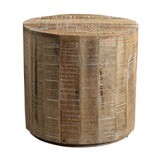 |
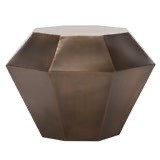 |
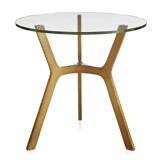 |
TIPS WHEN SHOPPING FOR END TABLES & SIDE TABLES
When shopping for side tables and end tables it's important to take measurements of your key furniture pieces first. Generally, a side table or end table should be the same height or just a few inches lower in height than the arm of your sofa or chairs.
It's okay to select matching side tables and end tables, but it makes for a more interesting space if you choose coordinating tables instead. For example, choose two tables that are made with the same materials, but the table tops are different (see example below). As long as you work in the realm of the same style and you select at least one common element within the tables you should be okay.
- click each image to view its source -
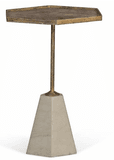 |
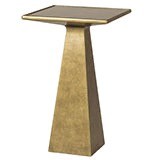 |
One other thing to note is the height of the side tables. For symmetrical designs (eg. if you want to put lamps on the tables on either side of a sofa) then you'll want to make sure the side table and/or end table are approximately the same height. You can make up the difference using books to stack under the lamp of the shorter table. If symmetry isn't your goal, then feel free to choose tables of varying heights.
And lastly, think about how the end table or side table will be used before making your purchase. This will help you determine the surface area needed and the most practical material to suit your function. For example, if the table will be placed beside a reading chair, you may want the table surface to be large enough to place a lamp on top of it. You may also want to be able to set down a cup of coffee. If that's the case and coasters aren't your bag, then opt for a table that has a glass, ceramic or stone top. Wood and leather are susceptible to rings and I don't even need to tell you that fabric would be a nightmare.
Let's talk about your project. No pressure, no obligation, just a friendly conversation about your vision and how we can help bring it to life.