If you’ve been thinking about updating your home with window coverings, but keep putting it off because your schedule barely allows time for grocery shopping (let alone house updates), this one's for you.
One area many of my clients find especially overwhelming is choosing the right window treatments. With so many styles, materials, and price points out there, it’s hard to know where to start—or what’s actually worth your time and investment.
This post is an updated version of one I originally shared a while back in August 2017, but it felt timely to revisit it because I’m currently in the middle of making window treatment decisions for my own home. It’s reminded me just how many details there are to consider—even as a designer. So I wanted to share a streamlined guide to help you move through the process with more confidence and less overwhelm.
So here's a quick list of PROs and CONs to help you decide which window coverings are the best for your home:
Blinds
Blinds, in the world of window treatments, is a term that is commonly misused. People often refer to any window treatment that covers a window as a blind. However, if we want to get technical, a window blind actually refers to metal, wood, vinyl or plastic slats that are held together via strings or fabric tape and operate via a string, cord or control wand.
PROS
Fits nearly every budget
Wide variety of materials, colors, and finishes
Ideal for windows that need frequent adjustment for light/privacy
Horizontal and vertical options suit different window types
Can be mounted inside or outside the frame for different looks
CONS
Cords are a safety hazard (though cordless and wand options now exist)
Slats collect dust easily and are tedious to clean
Lower-cost versions can feel flimsy or dated
Doesn’t offer full blackout (light seeps between slats)
Mechanisms can tangle or break with frequent use
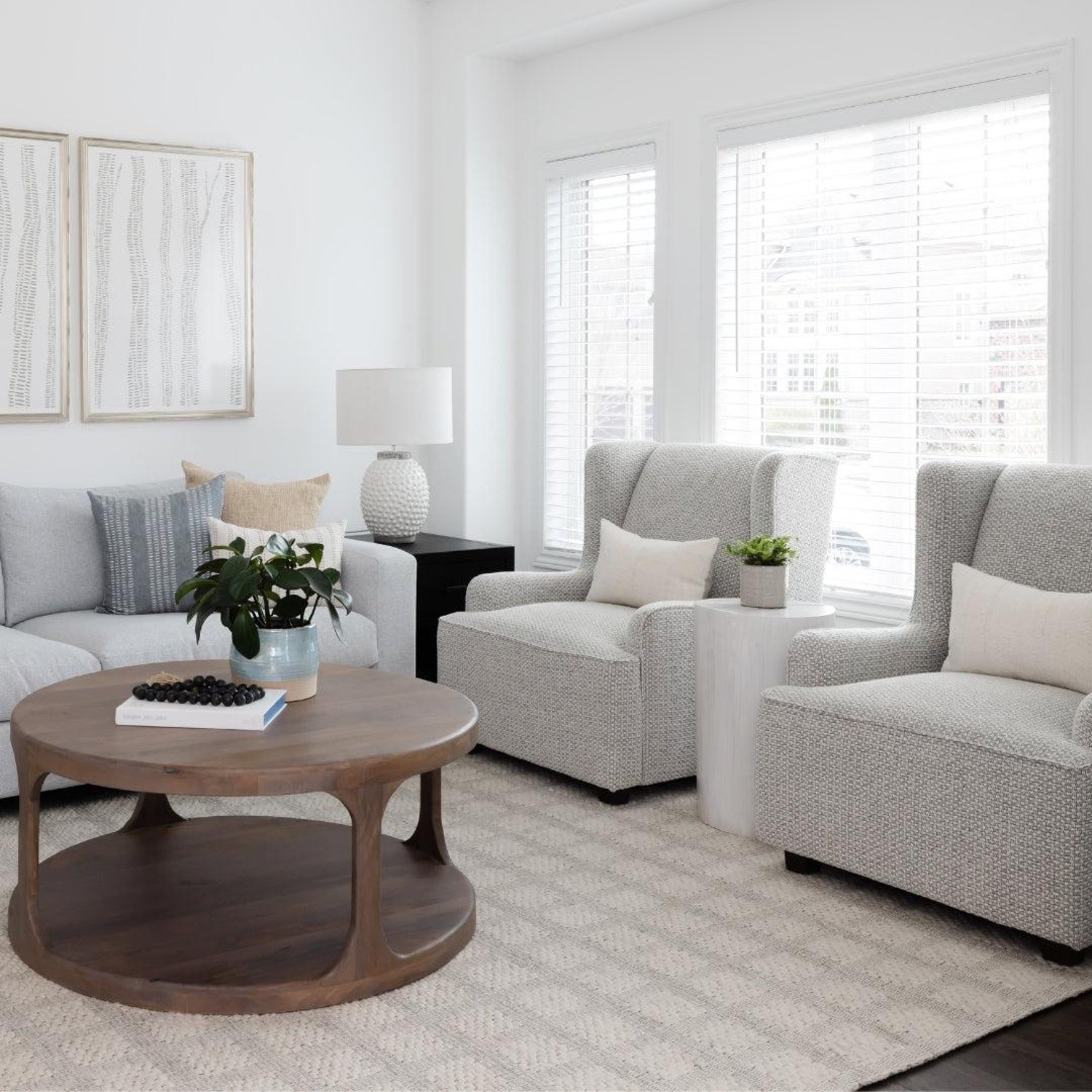
Design By Orangetree Interiors | Photography by Simply Curate Co.
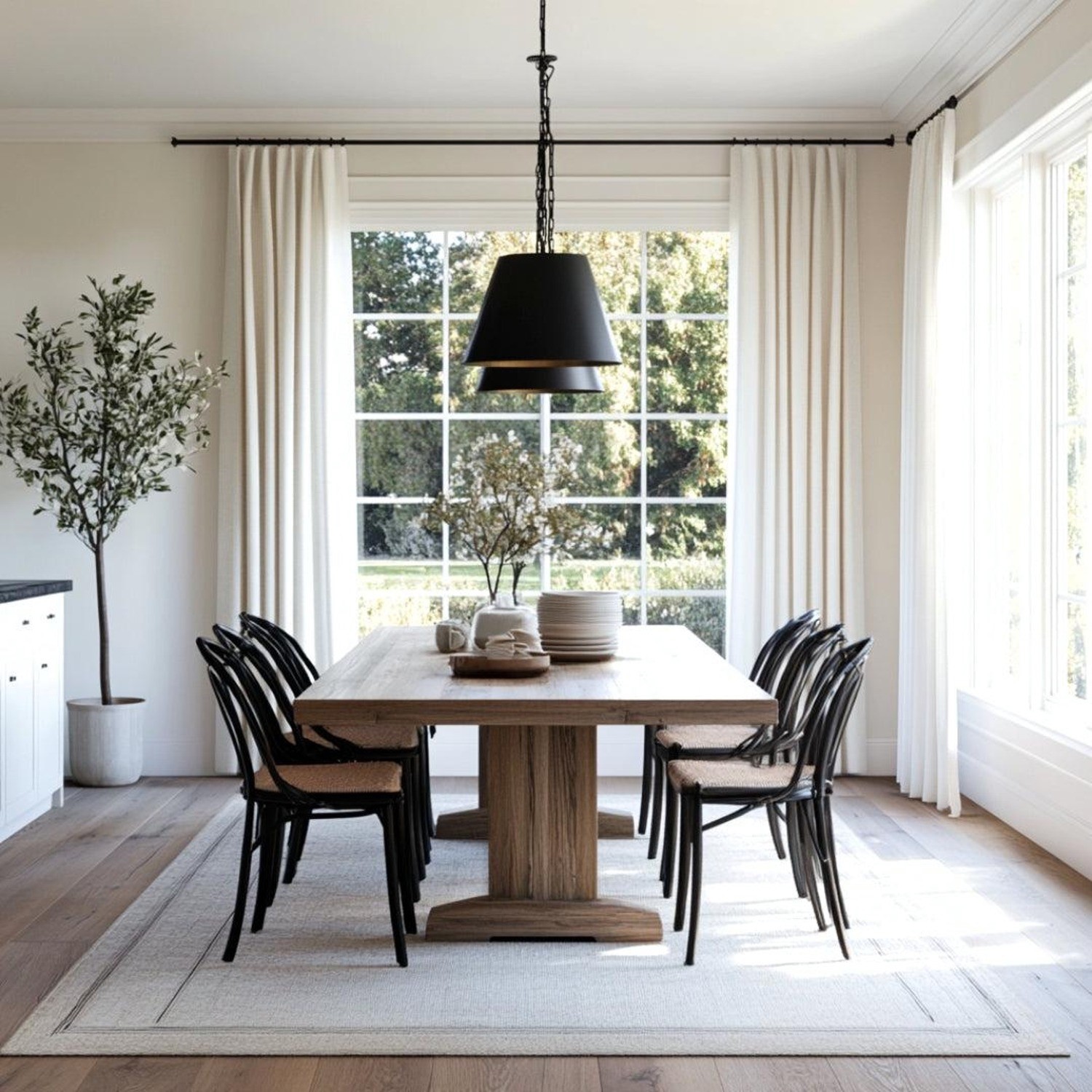
Curtains and Drapes
Curtains and drapes refer to any window covering that includes fabric that is hung and arranged in loose folds around a window. Although there are similarities between the two, curtains and drapes are not the same thing. Curtains typically use polyester or sheer materials and are less expensive to produce and therefore cheaper to buy. Drapes on the other hand, are typically lined, carry more weight and offer heating and cooling benefits as well as privacy.
PROS
Huge range of fabrics, textures, and styles to suit any room
Drapes can soften a space and make it feel more finished
Lined drapes provide insulation for temperature control and energy efficiency
Improves room acoustics by dampening sound and reducing echo
Can conceal architectural flaws or uneven windows
Easy to update for a seasonal refresh or new color palette
CONS
Prone to wrinkling, staining, and dust collection
Can be expensive depending on fabric and hardware
Often require dry cleaning
Not ideal for allergy sufferers or pet-heavy households
May require precise measuring and installation for best effect
Can be cumbersome in small spaces or with pets/kids pulling on fabric
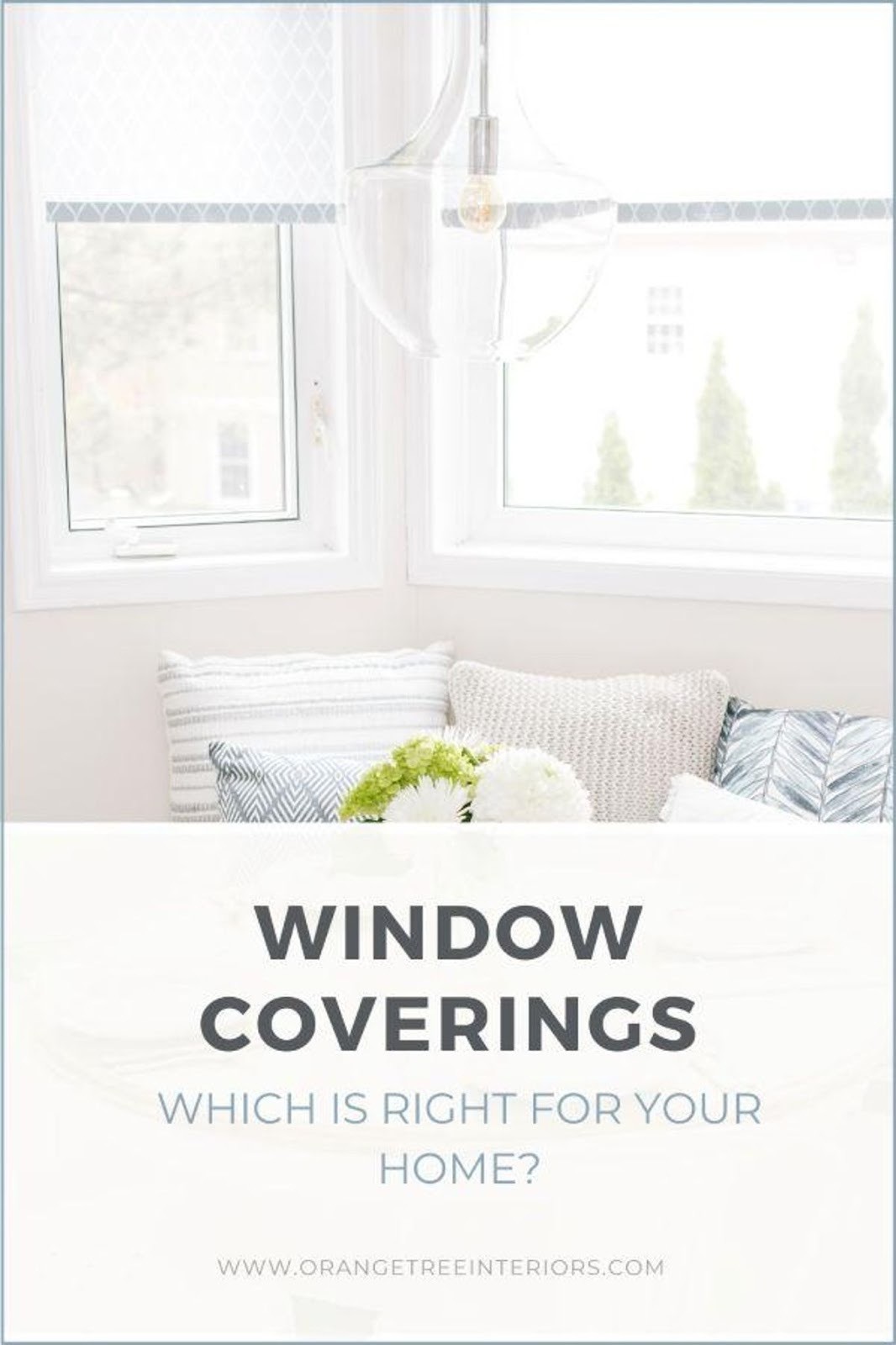
Window Shades
When it comes to window shades, there is pretty much every option imaginable out there. Fabric-based coverings that roll, fold, or stack vertically. Styles include roller, roman, honeycomb, solar, and cellular shades.
PROS
Tons of choice in terms of operation, color and fabrics
Sleek, minimal design suits most interiors
Blackout and light-filtering options available
Excellent insulation with cellular and honeycomb styles
Can provide privacy without sacrificing natural light
Motorized options allow for remote or scheduled control (ideal for tall windows)
Safer options available with cordless or hidden controls
CONS
Less durable with heavy daily use (mechanisms can wear out)
Some styles can appear too minimal or utilitarian
Can be hard to clean depending on fabric
Motorized features increase cost and may require wiring or battery changes
Less flexible in terms of changing seasonally
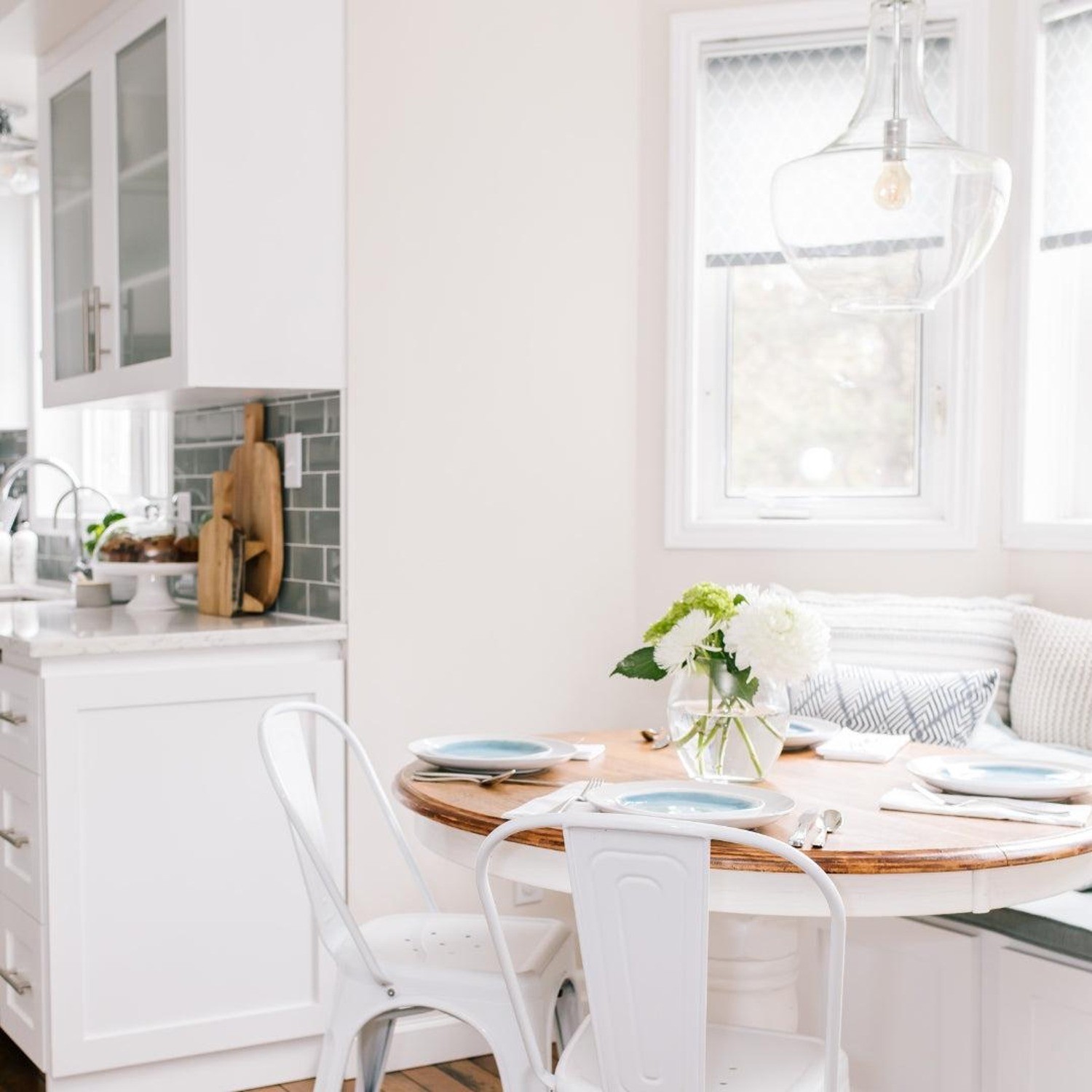
Design By Orangetree Interiors | Photography by Simply Curate Co.
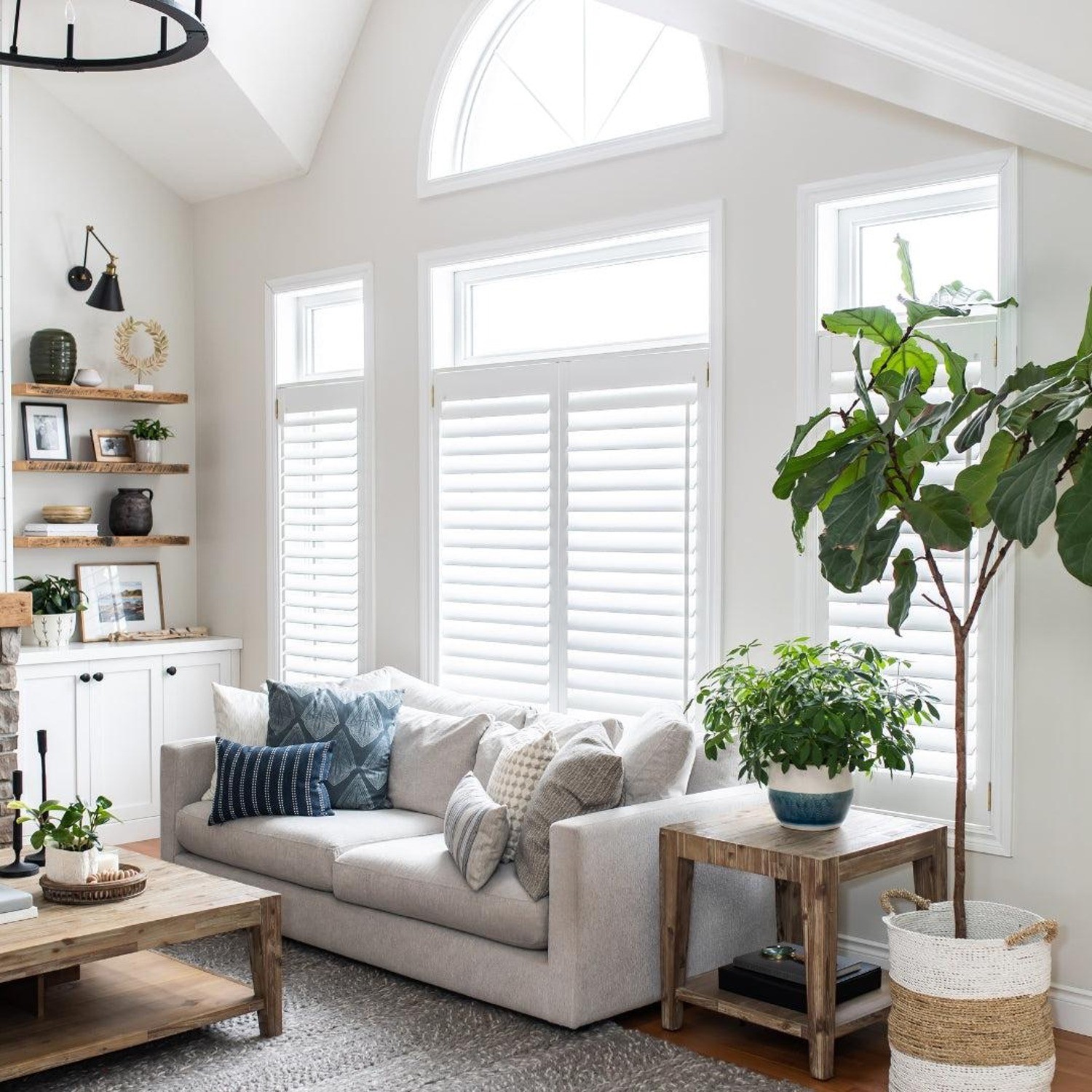
Shutters
Shutters are beautiful, but there are a couple of disadvantages that you should know about before making a purchase. Things to consider when shopping for shutters include; whether you want wood or vinyl construction, how much slat spacing you desire, where you’d like the tilt bar placed, whether you require divider rails for independent operation of window sections, will you require bi-fold or custom cutouts to accommodate tight spaces, etc.
PROS
Timeless, upscale look adds architectural character
Very low-maintenance—just dust or wipe down
Offers moderate energy efficiency and privacy
Permanent installation can boost home value
Ideal for humid environments (especially vinyl)
CONS
Higher up-front cost
Can obstruct the view when closed
Limited light-filtering flexibility (no sheer options)
May require deep window casings or clear space for opening
Wood versions may warp or discolor over time if not sealed properly
Design By Orangetree Interiors | Photography by Simply Curate Co.
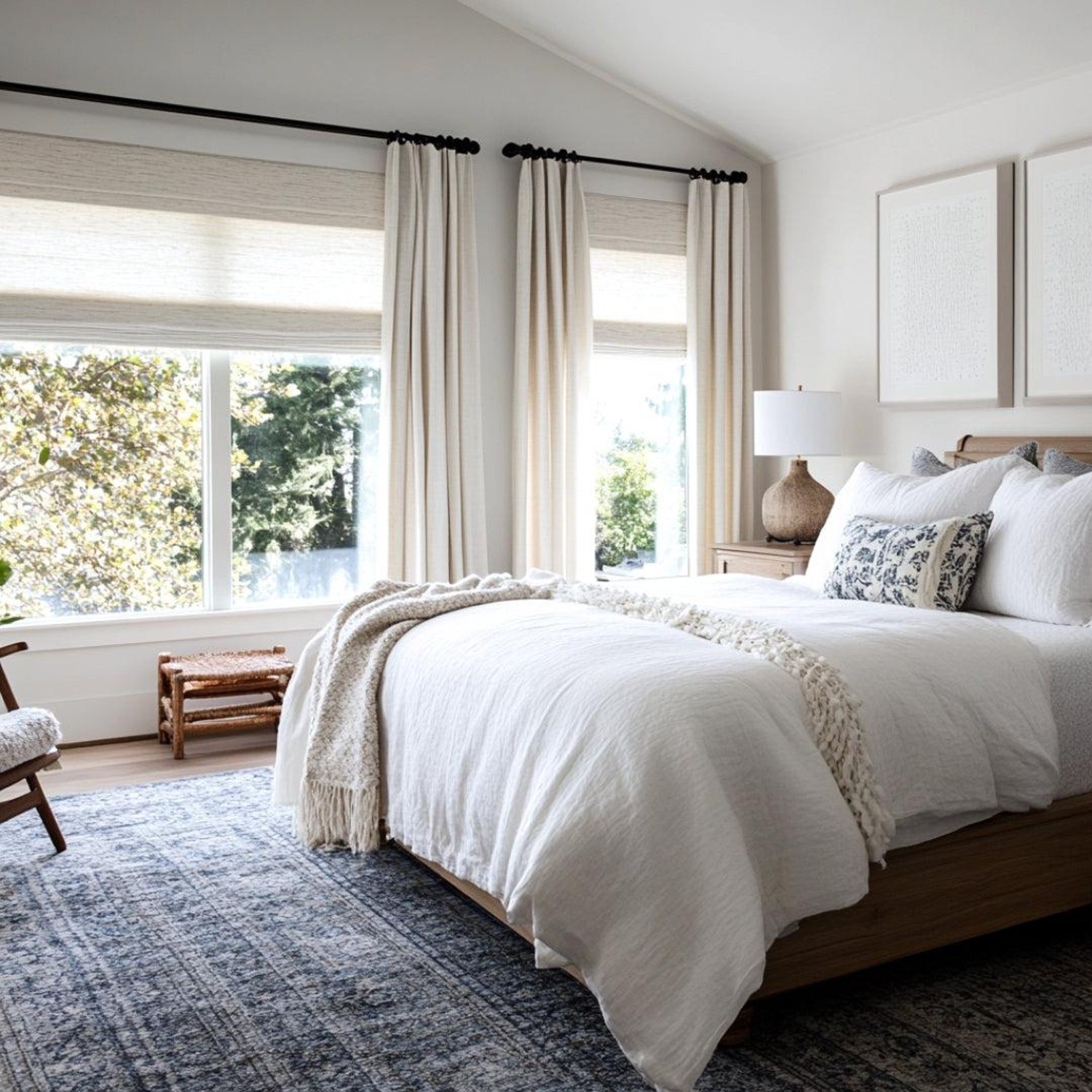
Layered Treatments (Bonus Option)
Combining two window treatments—such as shades + curtains or shutters + drapery—can offer both function and style.
PROS
Allows for flexible light control and insulation
Adds depth, softness, and dimension to a room
Sheers can filter light during the day; heavier layers add privacy at night
Lets you mix patterns or textures without committing to one bold choice
CONS
Requires careful coordination for scale, color, and hardware
Typically more expensive (you're buying multiple treatments)
Takes more time to install
Can feel “too much” in smaller or minimalist spaces
Real Talk: You Don’t Have to Figure This Out Alone
If this helped you narrow things down, that’s great. If it left you realizing just how many decisions there are, that’s totally valid too.
Even as a professional decorator, I’ve spent more time than I’d like to admit debating fabrics and finishes for my own windows. It’s part of what inspired me to revisit this post—because sometimes, even knowing what you like doesn’t make the process easier when your days are full.
In case you don't know me, I'm a virtual interior designer that offers personalized virtual decorating services built specifically for busy professionals with full calendars who want their homes to feel finished and intentional, but need the process to be as simple and efficient as possible. I work on your timeline, in a way that fits your life.
Window treatments may seem like a small detail, but they make a big impact—on both the look and function of your home. Whether you tackle them one room at a time or bring in a bit of help, you deserve to feel good about your space without it adding stress to your day.
If you ever want support, please contact me — no pressure, no overwhelm, just practical design that works with your schedule.
------------------------------------------
So.....what did WE choose?
We chose a mix of window treatments. Originally I wanted to do woven shades throughout the main floor and layer drapes in the living room and primary bedroom, but the lighting in our new home deterred me.
I want a light airy feel with a contemporary coastal vibe, but our new home doesn't have as much light as our previous home so I opted for shutters in the main space instead of woven shades. I chose this because the white shutters will keep things light, I can also keep the shutters partially open at all times to gain natural sunlight while still maintaining some privacy.
We'll do the woven shades in the primary bedroom paired with curtains for a layered and more refined look. We'll also do woven shades in the laundry and powder room to keep things cohesive on the main floor. We could have also chosen shutters, but shades were slightly lower in cost and added some personality to these spaces.
As for upstairs, we've decided to hold off on custom treatments for now. Window coverings are an investment that increase the value of your home when done well. We definitely want to add value to our home, but we aren't quite ready to make the investment for 21 windows. For now, we're going to do shutters in my hubby's office and curtains everywhere else.
Once we have saved more to invest, we will likely add shades to the bedrooms for a layered, more finished aesthetic.
Let's talk about your project. No pressure, no obligation, just a friendly conversation about your vision and how we can help bring it to life.